Women in African Politics: Courage, Quotas, and the Climb Toward Parity
August 9, 2025
Jane Goodall: A Trailblazer Who Redefined Science and Inspired Generations of Women
October 10, 2025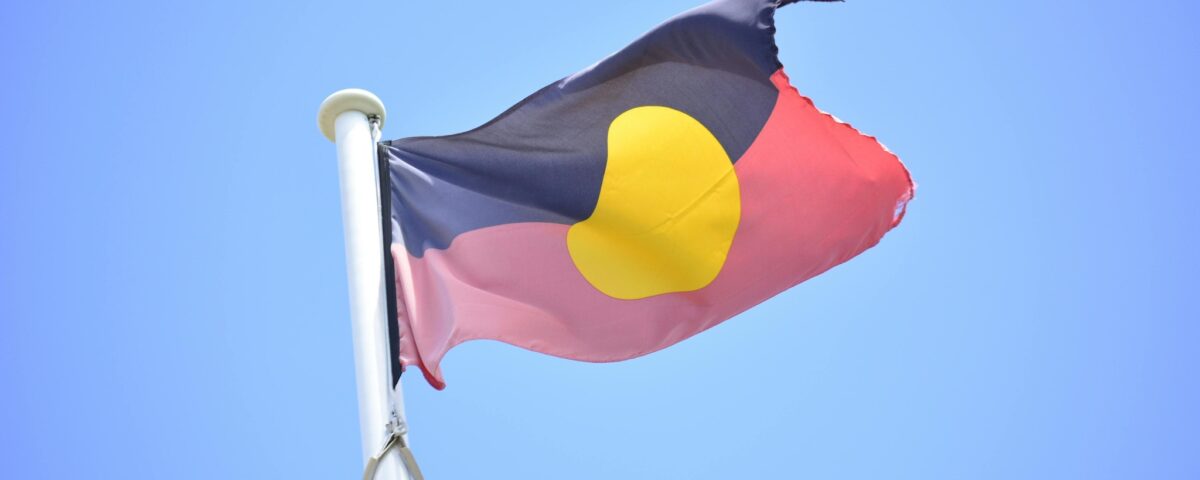
Aboriginal girls across Australia and other regions carry the rich legacy of their cultures, languages, and communities. Yet, they face unique challenges that often remain invisible to the broader public. Understanding these experiences is essential to supporting their well-being, education, and future leadership.
Many Aboriginal girls grow up in environments shaped by a history of colonization, dispossession, and systemic discrimination. These factors contribute to disparities in health, education, and social outcomes compared to non-Indigenous peers. For example:
- Education gaps remain a concern. While attendance rates for Aboriginal girls have improved, barriers such as inadequate resources, cultural misunderstandings, and economic hardship continue to affect school retention and achievement.
- Health disparities are stark. Aboriginal girls experience higher rates of chronic disease, mental health challenges, and reduced access to culturally safe healthcare services.
- Social and emotional wellbeing is deeply connected to cultural identity and community support. However, many girls face risks related to family violence, community dislocation, and identity struggles.
Despite these obstacles, Aboriginal girls display remarkable resilience, drawing strength from their cultural heritage, community bonds, and traditions. Initiatives that center Indigenous knowledge, languages, and leadership nurture this resilience and create pathways for empowerment.
Programs like the Girl Academy in Australia provide safe spaces where Aboriginal girls can connect with their identity, access education, and build leadership skills. These community-driven efforts recognize that healing and success must integrate cultural pride and self-determination.
Investing in Aboriginal girls is an investment in the future of entire communities. When girls thrive, they become agents of change championing health, education, and social justice for generations to come. Empowering Aboriginal girls helps break cycles of disadvantage and promotes reconciliation based on respect and partnership.
Aboriginal girls embody a future where culture and modern opportunity coexist. By listening to their voices and supporting their journeys, society can help foster a generation of strong, confident leaders who carry their heritage proudly while shaping a more equitable world.