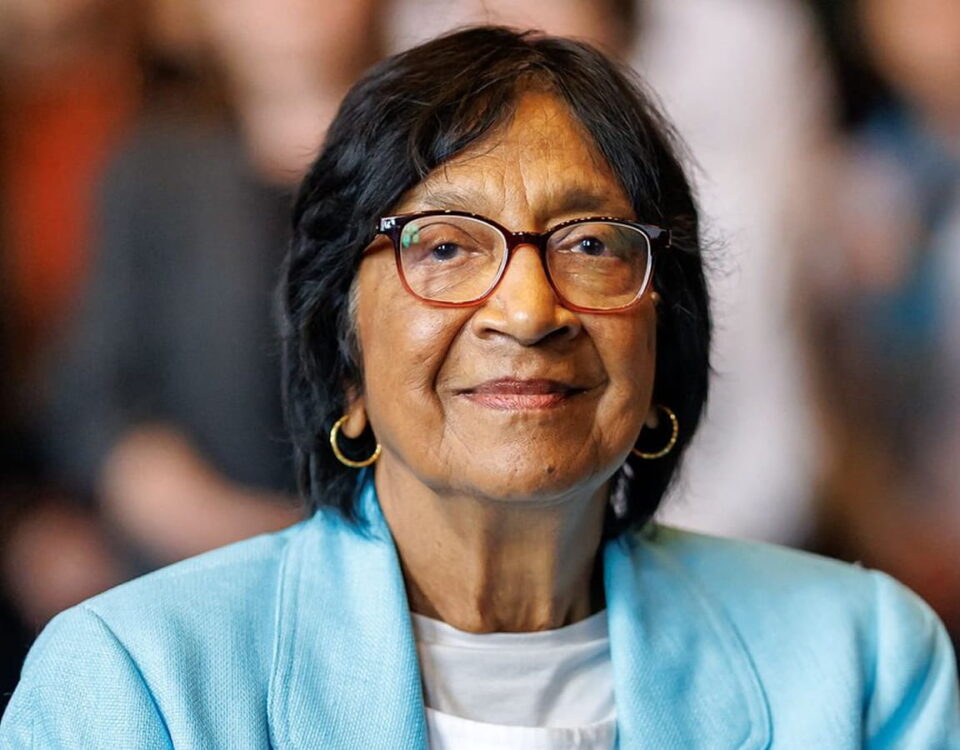

Dominique Attias Honored as Officer of the Legion of Honor for Lifetime Legal Advocacy
April 17, 2025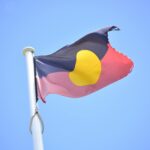
Challenges and Resilience Among Aboriginal Girls
August 18, 2025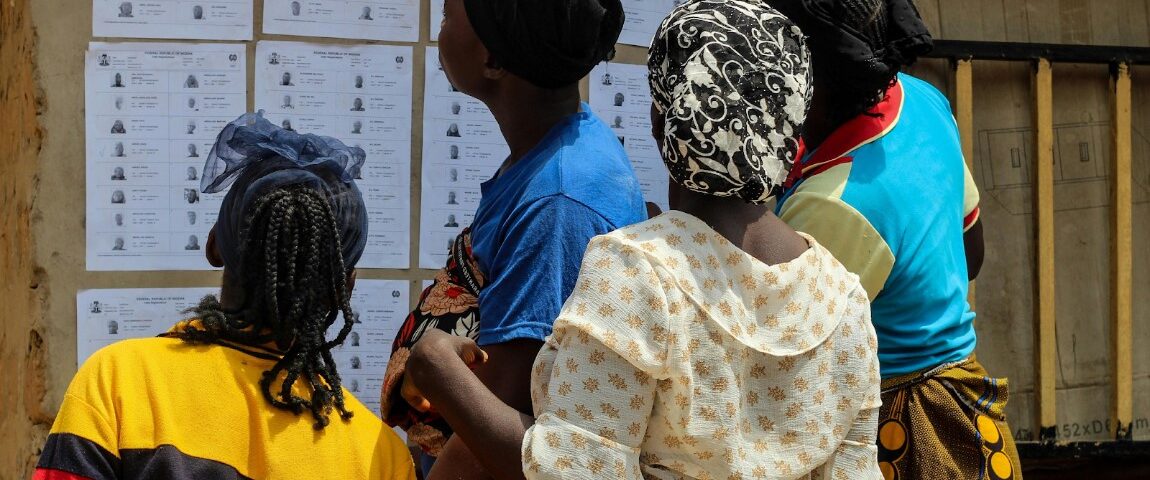
Across Africa, women are changing the face of politics—yet the journey toward equal representation remains steep. According to the 2024 Africa Barometer, women currently hold 26% of parliamentary seats across the continent, a modest increase of just 1% since 2021. At this rate, gender parity in African legislatures will not be achieved until the year 2100.
This slow pace is not due to a lack of capable women leaders, but rather the persistence of deep structural and cultural barriers. From political harassment to entrenched gender norms, many women face obstacles before they even step into the political arena.
Despite the challenges, some countries stand out as models of what is possible with political will and targeted reforms.
- Rwanda continues to lead the world, with women occupying 61% of parliamentary seats. This achievement is largely due to constitutional gender quotas and a political culture that actively promotes women’s leadership.
- Benin made history by introducing reserved parliamentary seats for women. This reform boosted female representation from single digits to 25.7% in just one election cycle.
- Sierra Leone recently enacted a 30% quota for women candidates. In the 2023 elections, women won 30.4% of directly elected seats—a milestone for the nation.
These examples show that deliberate action, particularly the adoption of quotas, can yield immediate and substantial results.
Progress has been uneven. Nigeria has one of the lowest rates of women in parliament at just 4%, reflecting systemic barriers that include:
- Political violence and intimidation targeting women.
- Limited access to campaign financing.
- Exclusion from key decision-making within political parties.
- Cultural perceptions that question women’s suitability for leadership roles.
Such obstacles create a political environment where many talented women are discouraged or prevented from running for office.
Why Women’s Representation Matters
Women’s presence in political decision-making is not simply a matter of fairness—it shapes policy priorities. Studies across Africa show that women legislators are more likely to champion issues such as maternal health, education, social protection, and anti-corruption measures. Greater representation means more inclusive governance and policies that reflect the needs of all citizens.
African women are already proving that they have the vision, skills, and resilience to lead. With political reforms, public support, and a commitment to dismantling systemic barriers, the continent can move far faster toward true gender equality in governance. The courage of women leaders today is laying the foundation for a future where parity is not a distant dream, but a living reality.
Challenges and Resilience Among Aboriginal Girls

Aboriginal girls across Australia and other regions carry the rich legacy of their cultures, languages, and communities. Yet, they face unique challenges that often remain invisible to the broader public. Understanding these experiences is essential to supporting their well-being, education, and future leadership.
Many Aboriginal girls grow up in environments shaped by a history of colonization, dispossession, and systemic discrimination. These factors contribute to disparities in health, education, and social outcomes compared to non-Indigenous peers. For example:
- Education gaps remain a concern. While attendance rates for Aboriginal girls have improved, barriers such as inadequate resources, cultural misunderstandings, and economic hardship continue to affect school retention and achievement.
- Health disparities are stark. Aboriginal girls experience higher rates of chronic disease, mental health challenges, and reduced access to culturally safe healthcare services.
- Social and emotional wellbeing is deeply connected to cultural identity and community support. However, many girls face risks related to family violence, community dislocation, and identity struggles.
Despite these obstacles, Aboriginal girls display remarkable resilience, drawing strength from their cultural heritage, community bonds, and traditions. Initiatives that center Indigenous knowledge, languages, and leadership nurture this resilience and create pathways for empowerment.
Programs like the Girl Academy in Australia provide safe spaces where Aboriginal girls can connect with their identity, access education, and build leadership skills. These community-driven efforts recognize that healing and success must integrate cultural pride and self-determination.
Investing in Aboriginal girls is an investment in the future of entire communities. When girls thrive, they become agents of change championing health, education, and social justice for generations to come. Empowering Aboriginal girls helps break cycles of disadvantage and promotes reconciliation based on respect and partnership.
Aboriginal girls embody a future where culture and modern opportunity coexist. By listening to their voices and supporting their journeys, society can help foster a generation of strong, confident leaders who carry their heritage proudly while shaping a more equitable world.