

UN Women Reports Continued Underrepresentation of Women in Politics
September 25, 2026
Raden Adjeng Kartini: Pioneer of Women’s Rights in Indonesia
October 9, 2026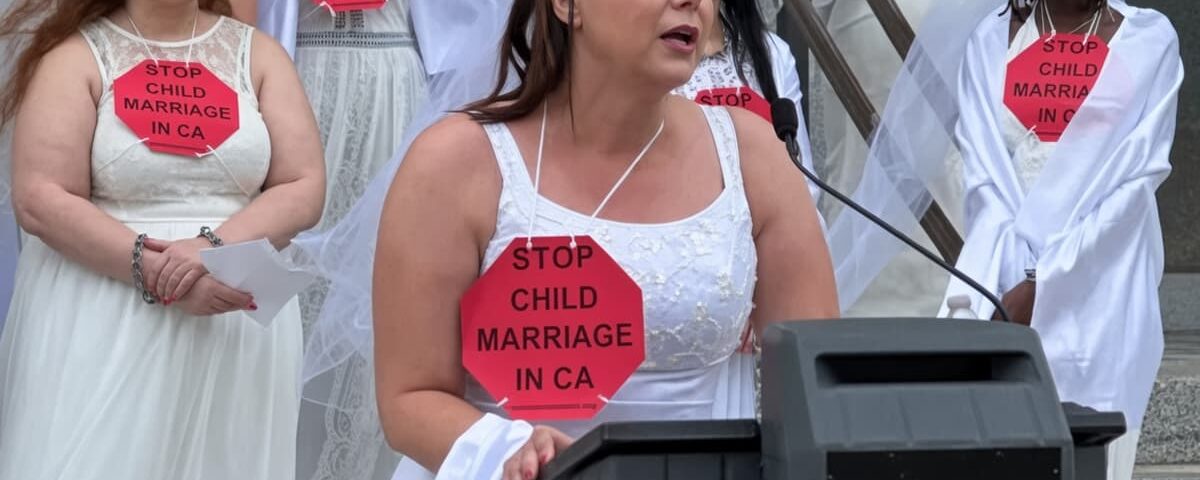
California has enacted a landmark reform prohibiting marriage for anyone under the age of 18, without exception. Governor Gavin Newsom signed Assembly Bill 1267 (AB-1267) into law on September 30, establishing 18 as the minimum legal age for both marriage and domestic partnership in the state.
The measure repeals previous provisions that allowed minors to marry with parental consent and judicial approval. Before the law’s adoption, California was among the few U.S. states that did not have a statutory minimum age for marriage.
The legislation was authored by Gail Pellerin and supported by survivor-led advocacy organizations and women’s rights groups that had campaigned for legal reform for years.
A Long Campaign for Reform
The adoption of AB-1267 marks the culmination of nearly a decade of advocacy by survivors of child marriage and civil society organizations seeking stronger legal protections for children. According to advocates, previous attempts to enact a complete ban faced repeated political and legislative obstacles before finally securing approval.
In a statement released after the bill was signed, Governor Gavin Newsom described the measure as a long-overdue step to protect children and minors.
Why Child Marriage Remains a Human Rights Concern
Human rights organizations have long argued that child marriage places girls at heightened risk of coercion, violence, interrupted education, economic dependency, and adverse health outcomes. Advocacy groups also emphasize that minors often lack the legal and practical means to protect themselves from unwanted or forced marriages.
Supporters of the new law argue that meaningful consent cannot be guaranteed when one of the parties is a child and that legal safeguards are necessary to prevent exploitation and abuse. Survivor advocates who supported the legislation stressed that the reform is intended to protect future generations from the harms associated with child marriage.
Part of a Broader Movement
With the enactment of AB-1267, California became the 18th U.S. state to prohibit child marriage without exception. Advocacy organizations have described the law as an important milestone in efforts to align domestic legislation with international standards on children’s rights and protection.
The reform follows growing scrutiny of legal loopholes that have historically allowed marriages involving minors in different parts of the United States. Human rights advocates continue to call for stronger protections for children wherever such exceptions remain in force.
Global Significance
The California reform reflects a broader international trend toward strengthening protections against child marriage and ensuring that marriage occurs only with the free, full, and informed consent of adults. Campaigners argue that legal reforms of this kind contribute to advancing the rights of girls, promoting educational opportunities, and reducing vulnerability to exploitation and abuse. As governments around the world continue to review laws affecting the rights of women and children, California’s decision is likely to be cited as an example of legislative action aimed at safeguarding children and advancing gender equality.